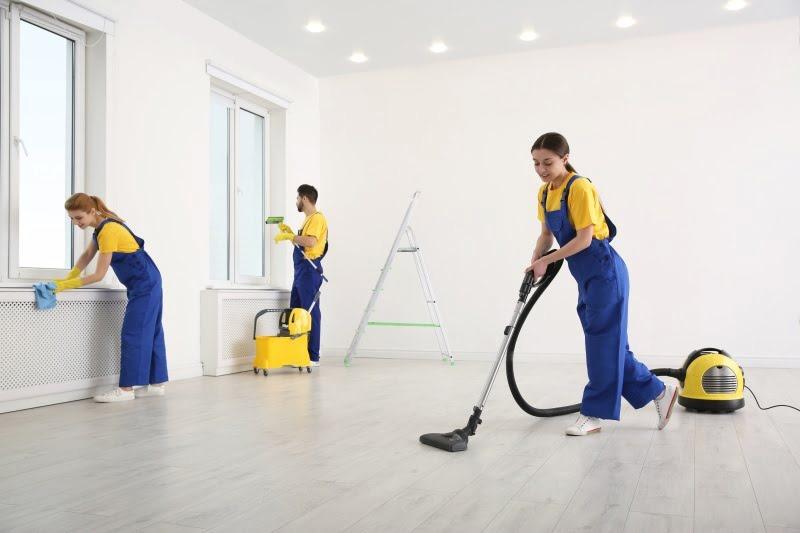
The renovation is done and the builders have left, but the apartment still isn't ready to live in. Fine white dust on every surface, cement on the windows, paint in the tile grout. Mistakes at this stage cost both time and money.
Why construction dust doesn't go in one pass
Plaster and cement dust is very fine. When wiped, it rises into the air and settles again a few hours later. That is why professional cleaning is done in stages: first the bulk of the dust is removed with an industrial vacuum, then surfaces are wiped wet, and finally there is an inspection pass.
The right order
- Remove large debris and packaging.
- Remove dust starting from ceilings, walls and high shelves.
- Clean windows and glass — cement and silicone with a special scraper, without scratching the glass.
- Clean the kitchen and bathrooms in detail.
- Wash the floor last, with a product suited to its material.
The most common mistakes
First, using a household vacuum: fine construction dust clogs the filter quickly and can burn out the motor. Second, wiping with a dry cloth — the dust just moves around. Third, scrubbing cement off glass with a metal sponge, which leaves permanent scratches. Fourth, using acidic products on marble and natural stone — the surface goes dull.
When do you need a professional?
After a small cosmetic refresh you can clean yourself. But after a full renovation, a white-box finish in a new building, or in apartments with large glass areas, a professional team does the job faster and more safely. We start every post-renovation job with a survey: area, level of dirt and materials are assessed, then we give you a plan and a timeline.
Related service
Related sector